Beowulf, by Unknown
by

Stuart Holland
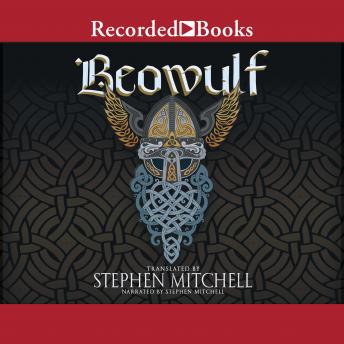
Another classic, and it’s real classic-y this time. All the way into the “we don’t know exactly when this was written” and “we don’t know who wrote this” territory. I listened to the audiobook version that was translated and narrated by Stephen Mitchell.
It’s an extremely interesting story, and like The Odyssey which I read a couple of years ago it’s apparent that it comes from a very different frame of reference from any modern storyteller. The structure of the story meanders more, even than modern tales that set out to meander. It feels like a journey across a whole life, summarized rather than dramatized. The author’s and the characters’ morals also feel like they stem from an entirely different foundation than what we often see in stories today. As Stephen Mitchell points out, the author appeared to consider themselves a Christian, but the content of the text showed a significant influence from pre-existing pagan traditions.
It’s also short, and at times feels like a poem rather than a book. It was well worth diving into and given that there are multiple translations and editions, could be very interesting to read some of the others and compare interpretations.
Beowulf dies a hero after a glorious life, protecting people from more than just Grendel (who I almost spelled like the Wheel of Time character). That journey is grounded in a sense of time in the England of ~1500 years ago.