Review: Contact, by Carl Sagan
by

Stuart Holland
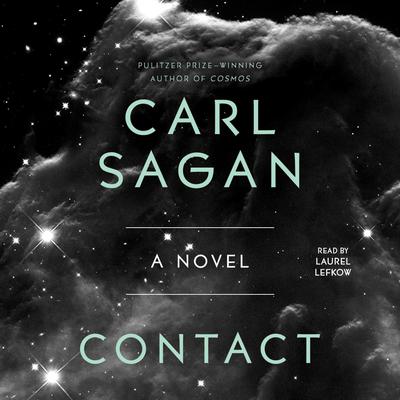
Contact is a beautiful book at its edges, though it falls down some in the middle. The beginning, about a little girl who is fascinated with the stars, is captivating and really makes you feel that sense of wonder. That is what I most appreciated from Sagan’s previous book that I read, Cosmos. However, I think Contact doesn’t quite live up to Cosmos’s strengths.
At least part of that comes from the fiction itself. I feel like it clips through the multi-year machine project in a way that doesn’t give the reader the same sense of time that I would expect from it. It clearly stops at the important parts, but also doesn’t linger in a way that makes them feel more like a connected series of events than one story.
When I was about three quarters of the way through Contact, I thought I was going to rate it lower. It had opened strong with a magical prologue, but hadn’t made me feel the same throughout the bulk of the story. But then the started to change my opinion. We were back in the revelry and wonderment that Sagan delivers best. But it was actually after that I really felt the impact. The was unbelievably frustrating. But that meant I cared. I wasn’t frustrated at the book, I was frustrated with this character, who was so clearly acting in a way that a real person would, and was detracting from the good Ellie (or someone like her) could do.
With those strong bookends, the rest of the story was easily worthwhile, even if it wasn’t as strong as I’d like. There are interesting relics of its time embedded throughout. The Soviet Union that reaches the new millennium is a fun one - I suppose in the early 1980s people wouldn’t suspect it would fail to persist that long. And the constant scientific and religious rivalry feels oddly flavored of its time as well.
Overall I enjoyed the book, and there are a few passages that really evoke wonder in a way you don’t often see elsewhere.